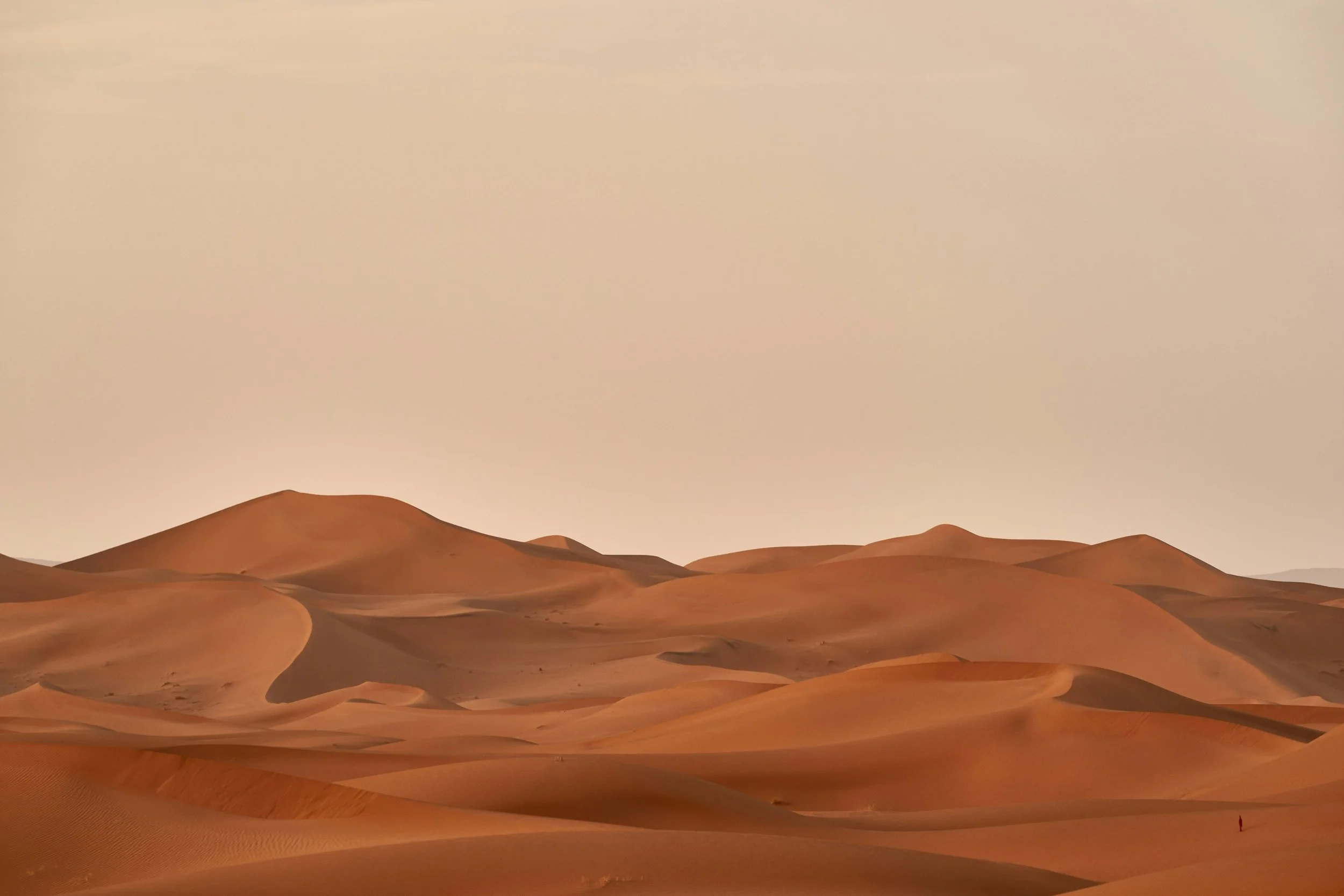
Ramla and the Desert
Greenhouse Festival 2026
Tarragon Theatre
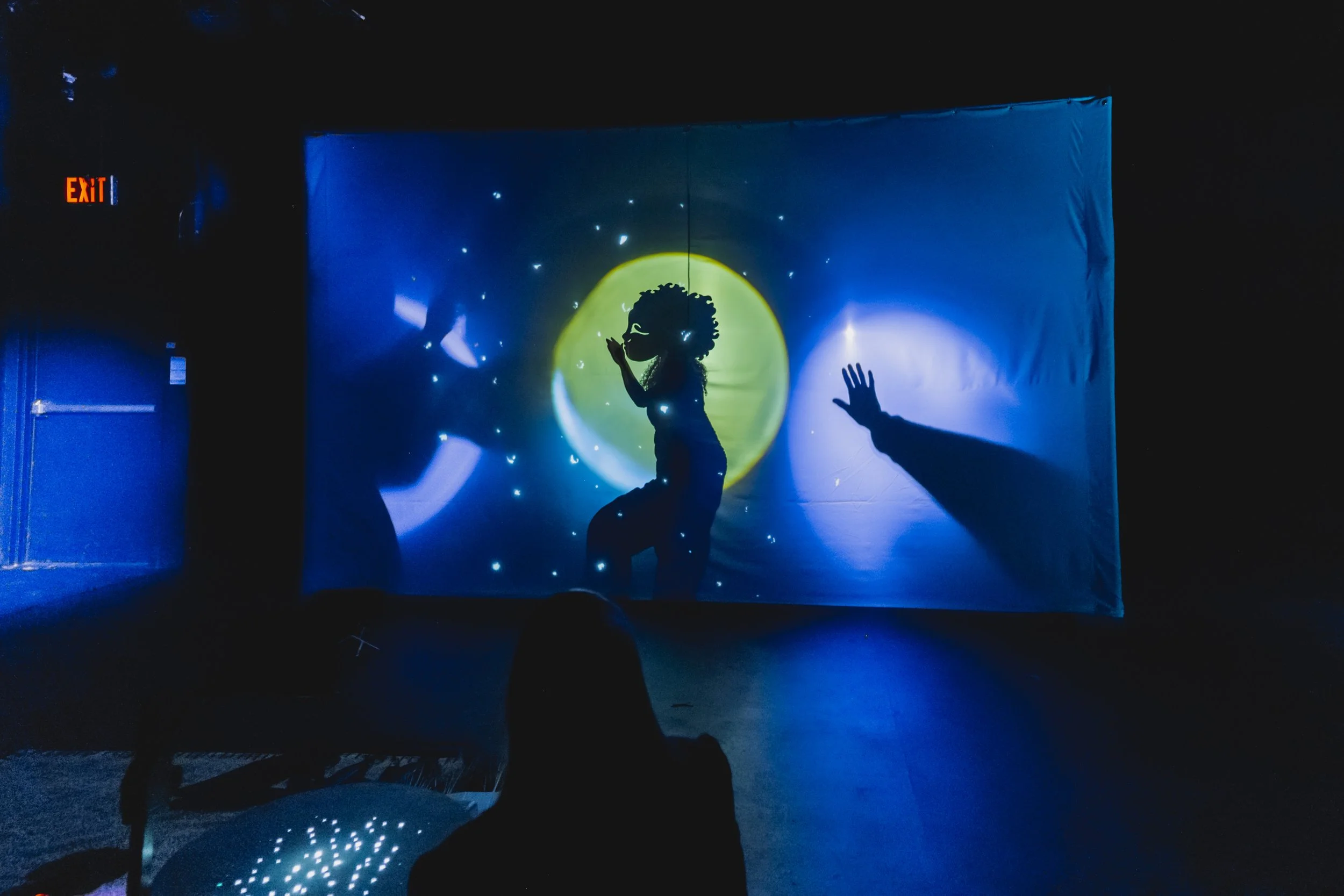
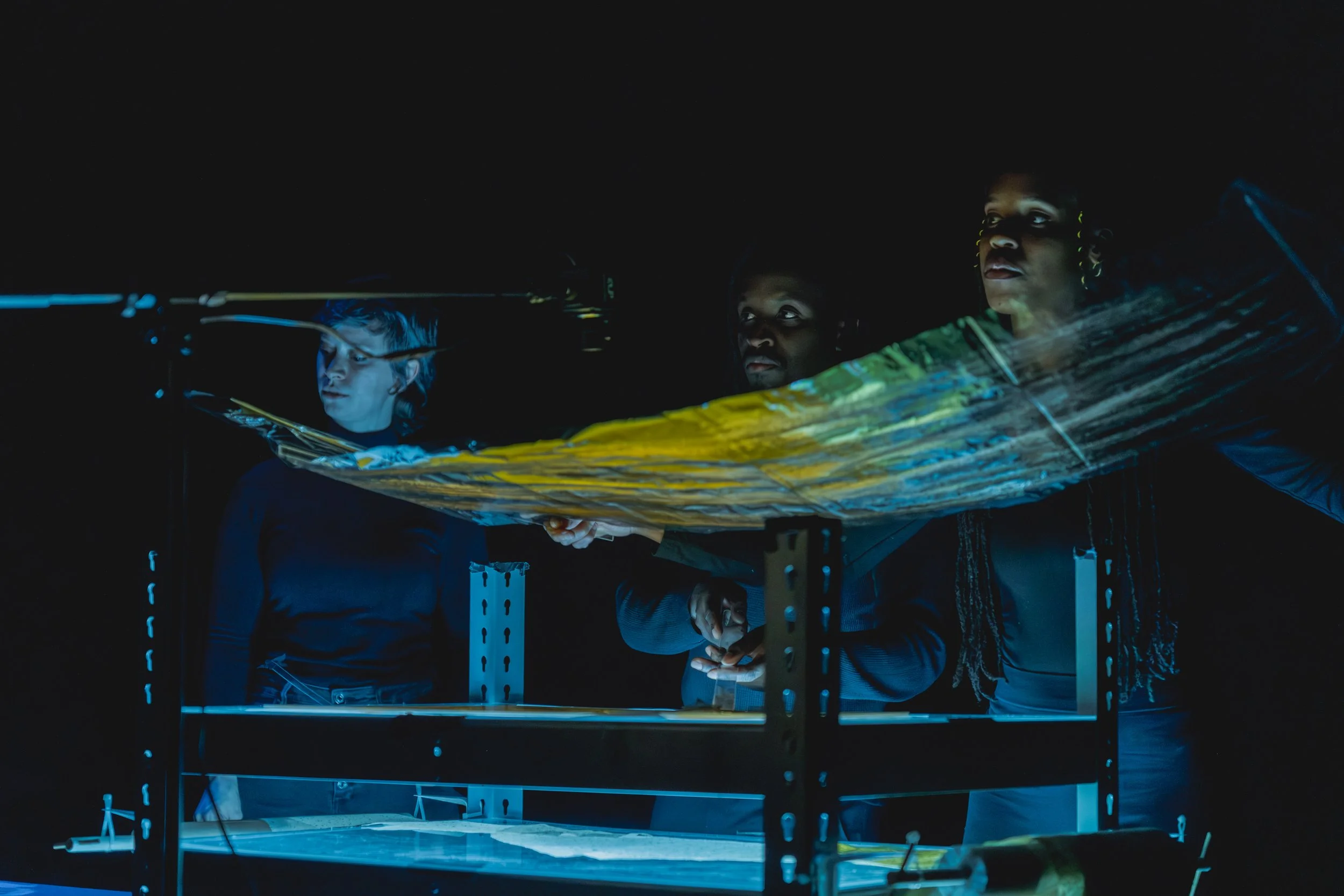
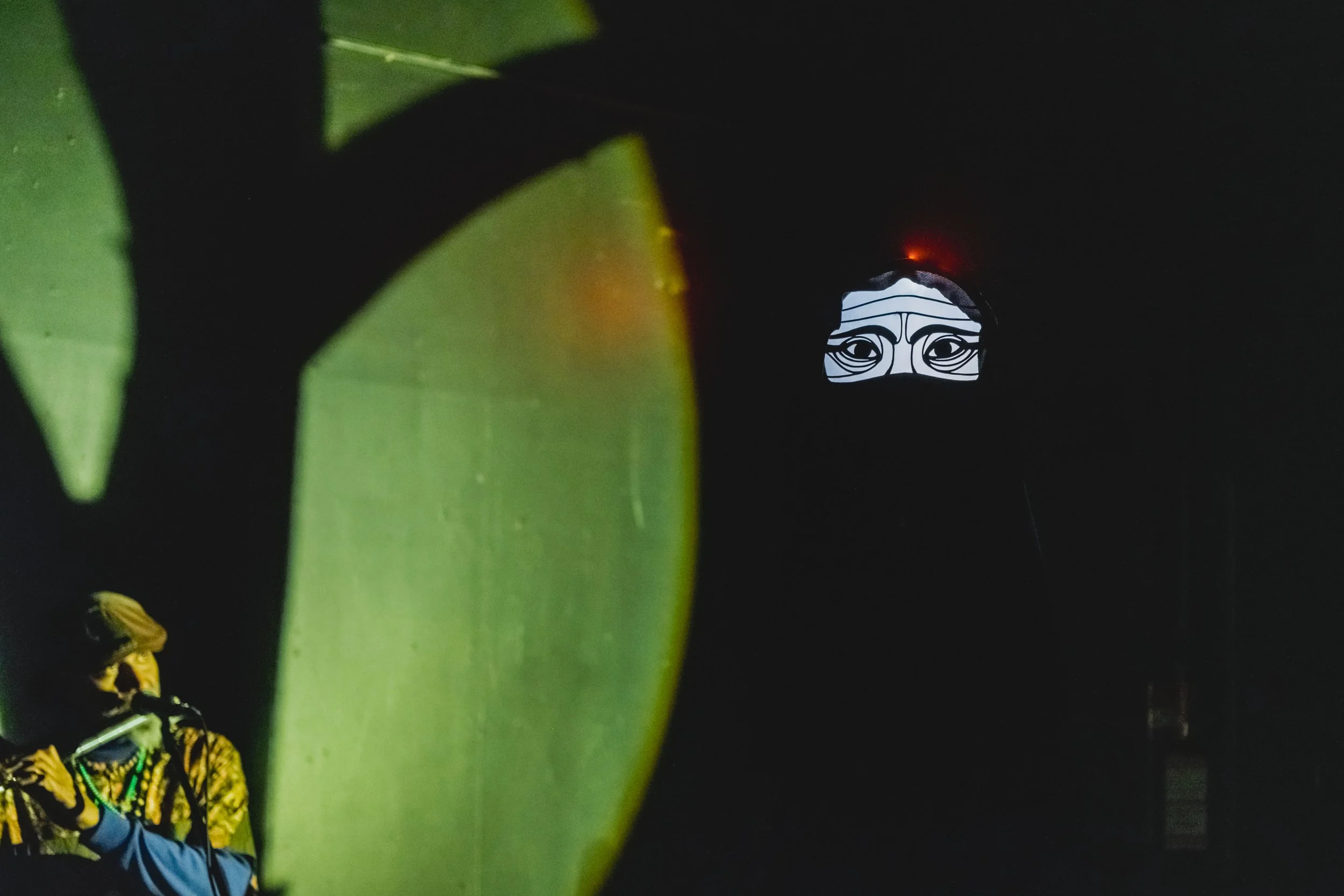
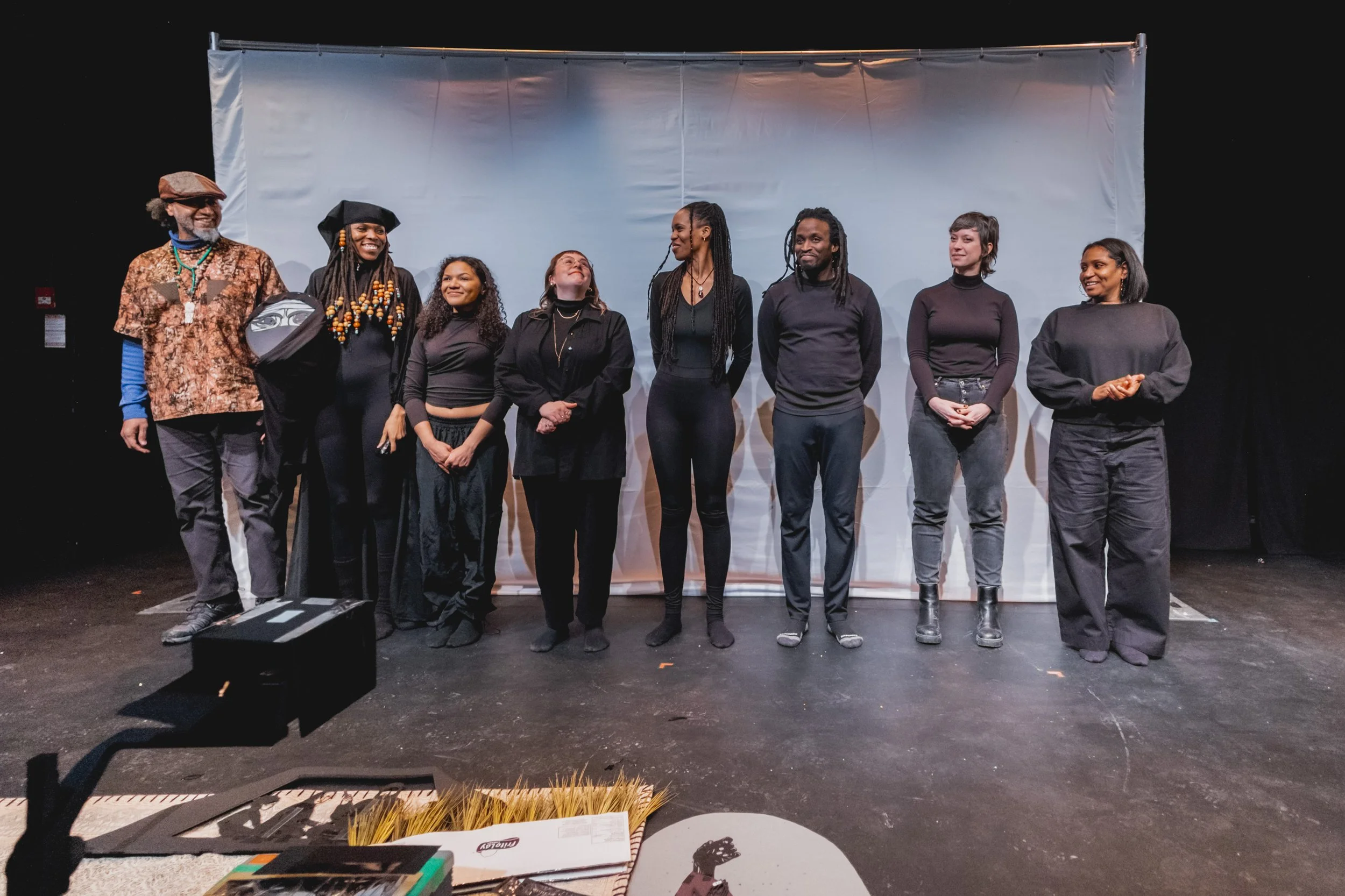
Ramla and the Desert is a shadow puppetry/live animation project that is a haunting, fantastical tale about desert disappearances. Written and produced by Nehal El-Hadi, directed by Mabel Wonnacott, puppet design and animation by Heather Piper, music by Waleed Abdulhamid. Performers/puppeteers from the Black Theatre School: Josemar, Kabrena Robinson, b, and Keira Forde.
Schedule
January 27 at 9:15pm [limited availability]
January 29 at 7:30pm [SOLD OUT]
January 31 at 7:30pm [SOLD OUT]
-
I first met Nehal El-Hadi in 2024, when Ramla and the Desert was still only an idea. We were both working at Puppetmonger’sPuppetry eXploratory Laboratory, where we quickly became friends. I was immediately drawn to the precision of Nehal’s research and the depth of her storytelling. It was clear from the beginning that Ramla and the Desert was an important story which would require great sensitivity, care, and imagination.
Although the story is set in the Sahara, its themes are urgently global. We are living in a moment when conflict and displacement are widespread realities. Sudan is currently facing the largest forced migration crisis in the world, and countless others from places such as Gaza, Ukraine, Venezuela, Syria, and the Congo are undertaking treacherous journeys due to forced migration .While there is sadness in Ramla’s story, this piece is ultimately guided by hope, joy, and a desire for survival and connection.
This has been a rare project in that the process itself has been deeply rooted in community and collaboration. The puppets for Ramla and the Desert were designed and built by Heather Piper, whose artistry gave physical form to the world of the piece. Today’s workshop production is led by four remarkable theatre practitioners from the Black Theatre School. The relationship between animator and object is a unique one, and it was only after these performers brought their own voices, perspectives, and emotional vocabulary to the work that Ramla and the Desert found its emotional and narrative clarity.
Puppetry is a uniquely responsive art form. While we may enter the studio with ideas about how we think a story should unfold on stage, the objects themselves ultimately dictate how the story is told. In many ways, it is Ramla herself who has chosen the language and movement of her own narrative. Throughout the development of this work, we have had the privilege of inviting community members into the process through a series of open studios. Visitors were encouraged to handle and experiment with the puppets, and many of the ways they are used on stage today emerged through moments of shared exploration and play. Waleed Abdulhamid’s improvisatory score adds depth, colour, and an expansiveness that would not be possible through visual elements alone.
All members of the artistic team — the actors, director, designer, writer, and composer — are present on stage today as active participants in telling this story. We encourage you to carry this experience with you and remain active in learning about the ongoing realities of forced migration.
-
A close friend once told me that fairytales emerge from trauma as the stories help to psychologically process awful events. The fantastical fictional elements — supernatural beings, enchanted landscapes, magic — of fairytales serve as protection from the horror of the facts.
Ramla and the Desert is a fairytale that came out of trying to make sense of the horrors of the Sahara migrant crossing, considered the deadliest forced migration journey. A United Nations High Commissioner for Refugees report published in July 2024 estimates that twice as many migrants died in the Sahara than drowned in the Mediterranean, but the true number is unknown due to “the remoteness of the routes, challenging or lack of access to official and unofficial detention facilities, [and] infrequent or absence of reports from authorities or media coverage.”
The knowledge I had gained from reading policy reports and news coverage sparked a paralysing anxiety when my own family fled Khartoum at the outbreak of the Sudanese war in April 2023. My aunts, uncles, cousins, nieces, and nephews headed north through the desert to the Egyptian border and east to Port Sudan and the Red Sea, and eventually scattered onwards to North America, Europe, and the Arabian Gulf.
Ramla’s journey in this fairytale isn’t one of conflict and forced displacement. Rather, our brave heroine belongs to the desert itself, and her quest is sustained by her faith in the love she has known. Through Ramla’s story, I have found ways to carry and share the knowledge of the migrant crisis, while sending a love letter to a landscape weaponised against those who would bravely traverse it.
I believe this is an important story to tell, as do the brilliant collaborators whose creativity and labour have materialised and animated Ramla’s world and journey. You can find more information about Ramla and the Desert, details on the creative team behind this production, and resources on the Sahara migrant crossing on our website, www.ramlaandthedesert.com
-
Puppetry is a dynamic mode of expression that offers a tremendous amount of world building opportunity. The oldest stories ever told unfolded on cave walls amidst firelight, hands making shapes, expressing the ineffable. My passion for the material, and the immaterial of light informed the design choices for “Ramla and the Desert.” Previous work also informed many of the elements for this play, including the use of a live-feed camera, and the multiplane system which is traditionally used for animation. My original play Homing, a 2025 Henson Production Grant recipient, utilized some of these techniques for image making. For that production I first explored the live-feed camera as a tool for creating a cinematic experience, a film being performed in real time. This unique system marries my first love, cinema, with the ephemera of theater, the aura of live performance embedded into the expansive window of the screen. We walk with Ramla, we feel the warmth of the material expressed through light, her spirit embodied by the performers in real time. This delicate paper world is a living thing, transforming with each step, never performed exactly the same. The improvisational musical accompaniment augments the folklore aspect of this production. A story is never spoken the same way twice.
My ethos as an artist is to create work that fosters global compassion and highlights our shared lived experiences. By amplifying stories like Ramla in the Desert we are honoring unsung voices, and sharing a universal call for peace and unity through the act of creation.
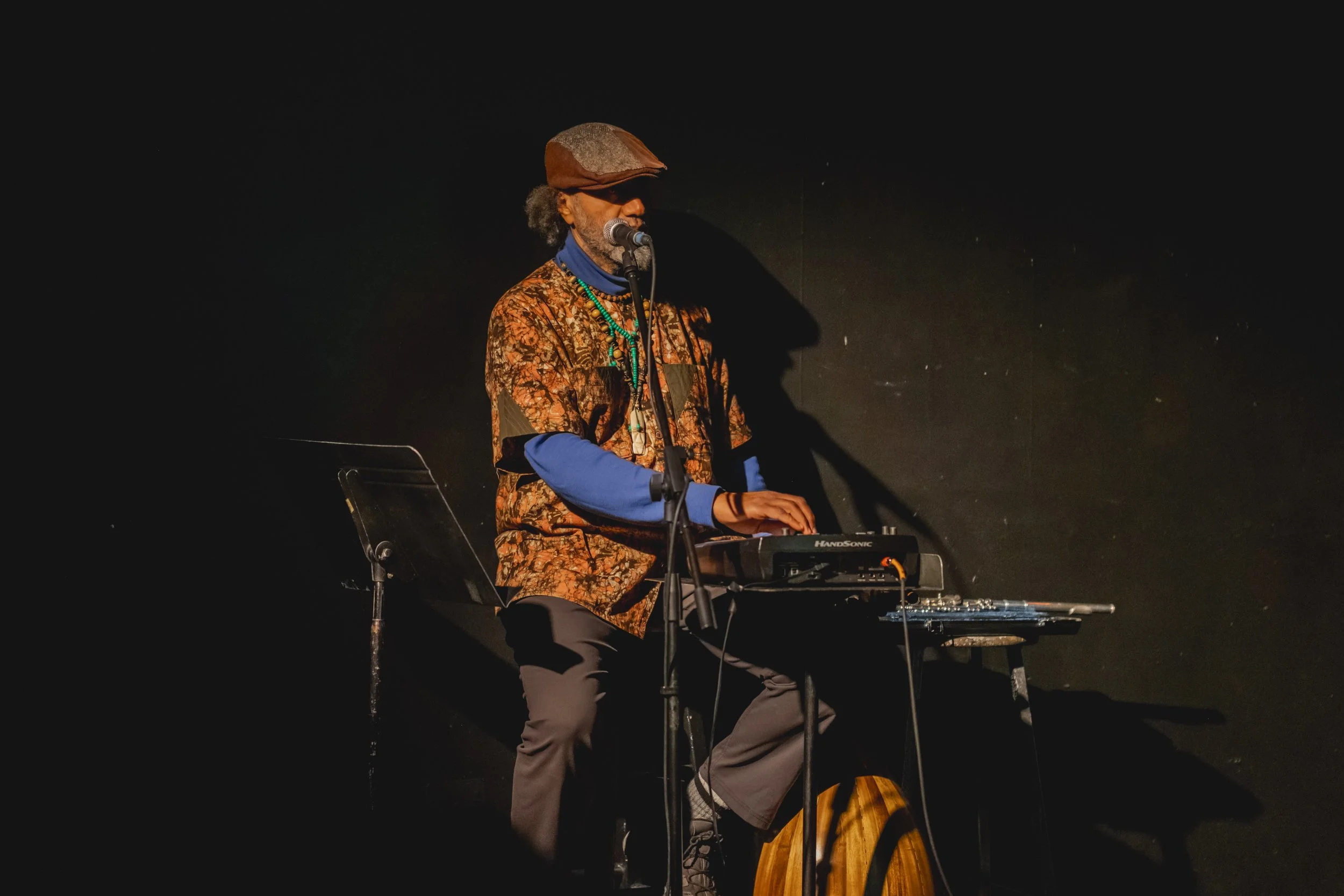
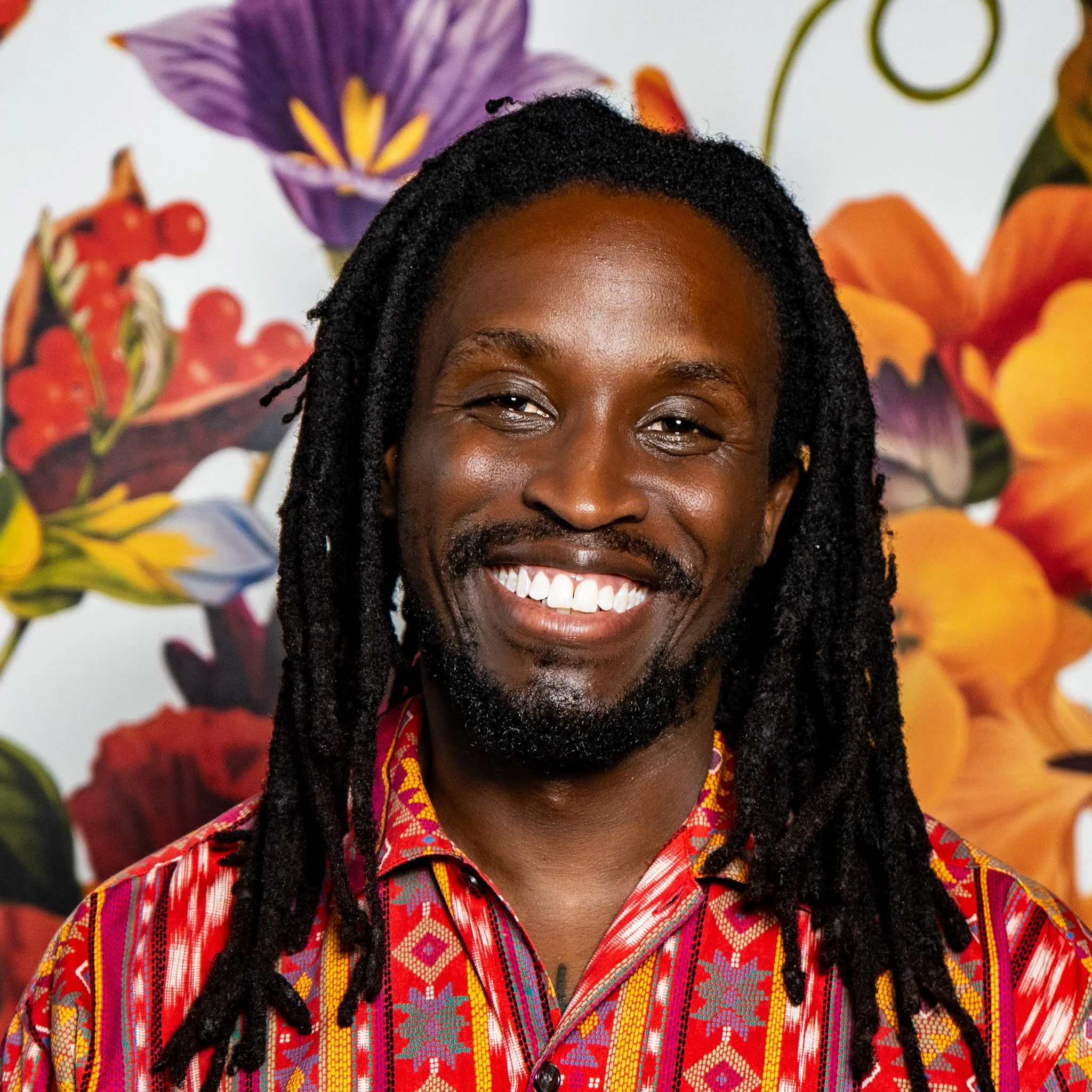
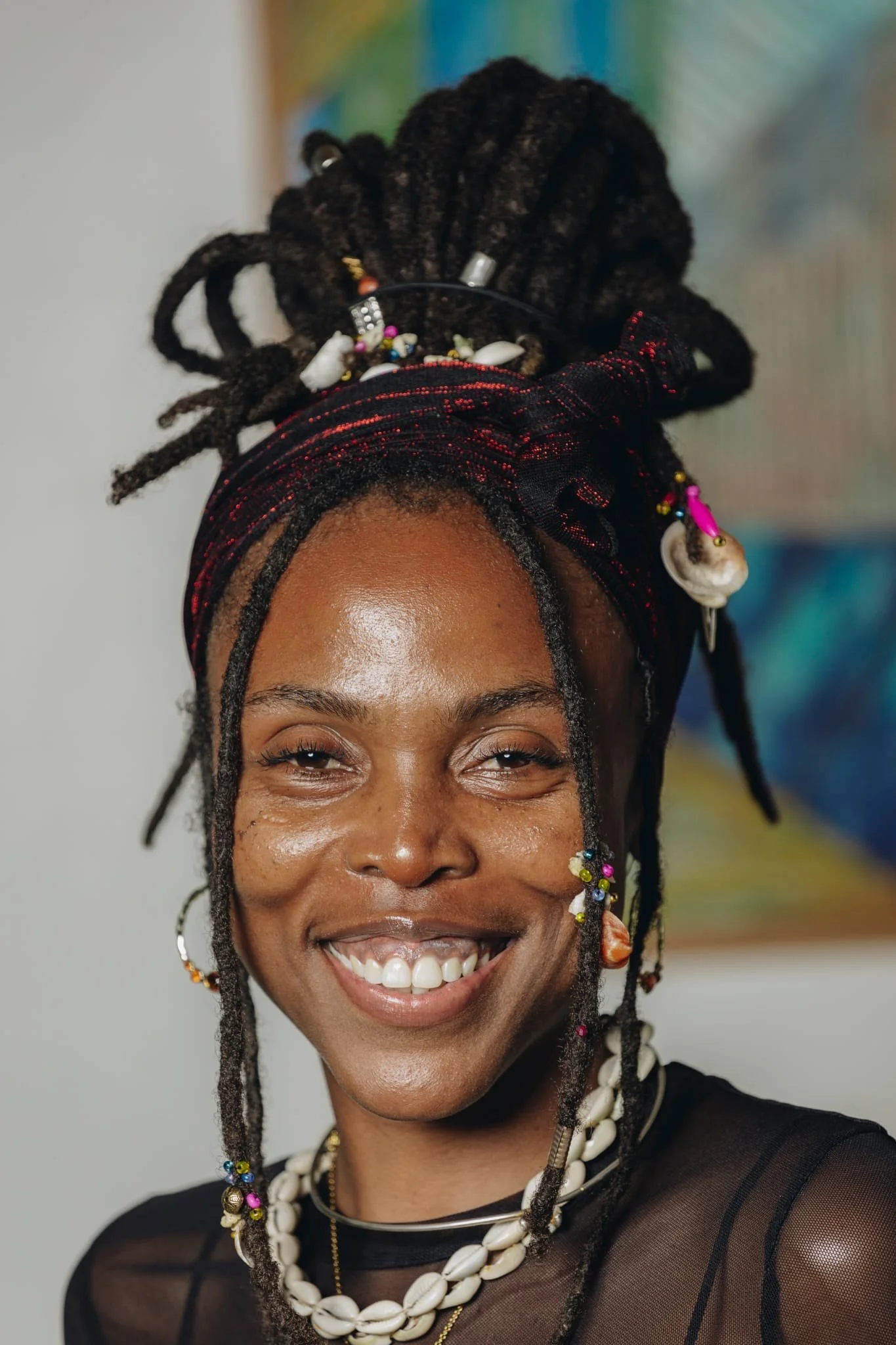
Josemar
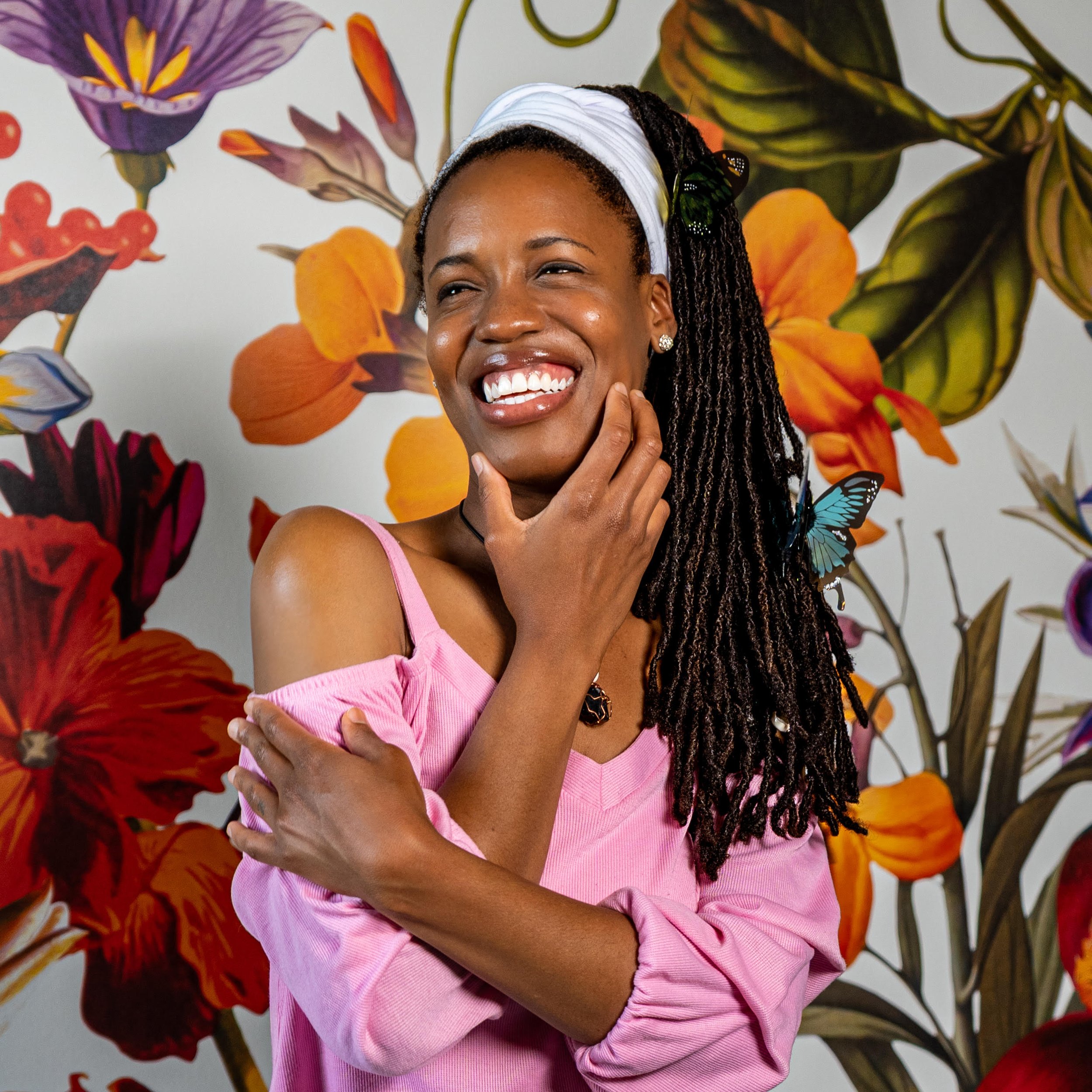
Kabrena Robinson
KayGeni
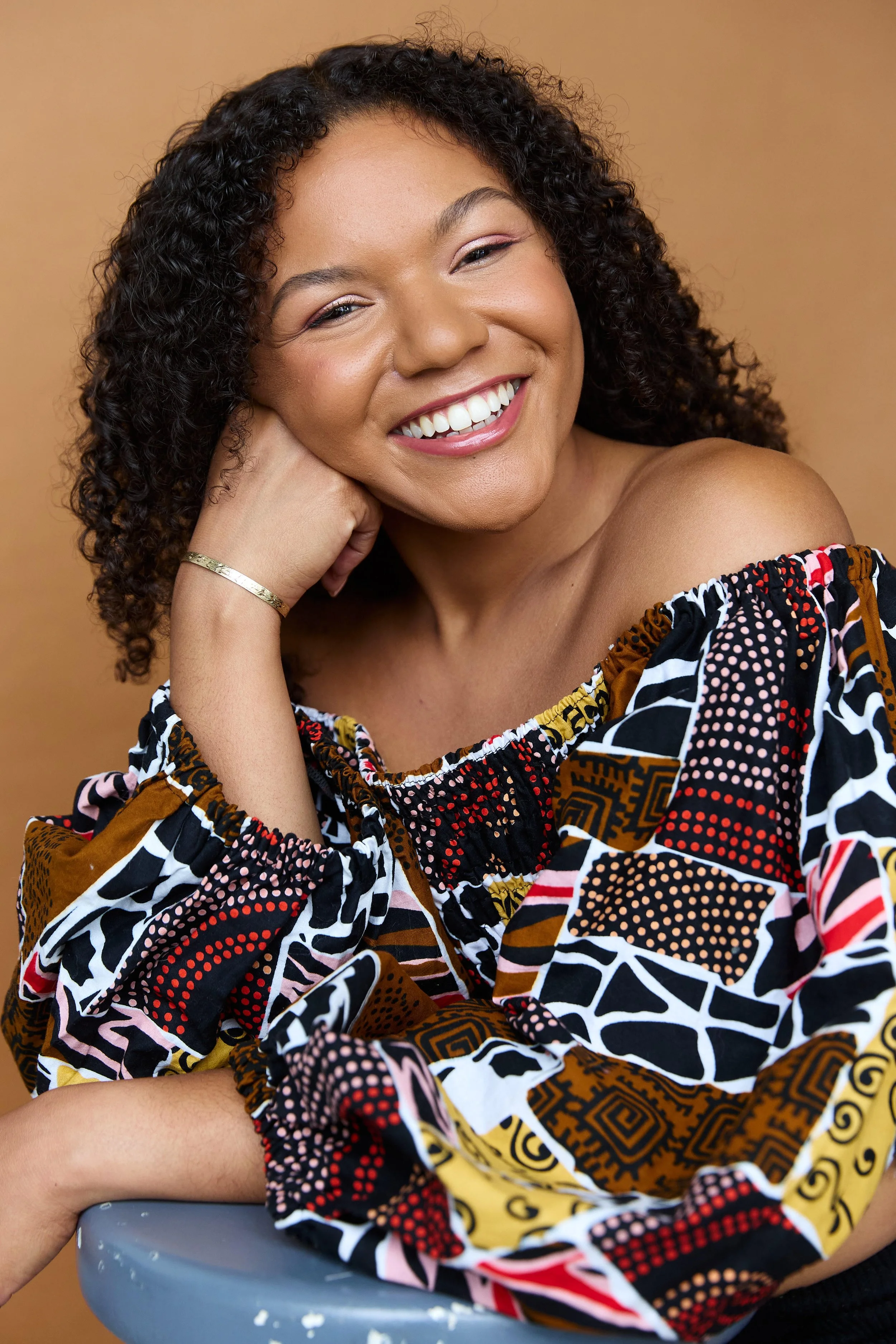
Keira Forde
-
Josimar Tulloch aka Josemar was born in the vibrant island of Jamaica where he began his artistic journey using buckets, sticks, pots, and pans to make music. That early love for rhythm and storytelling shaped him into a modern-day Renaissance artist—a Singer, Songwriter, Photographer, Actor, and Muay Thai Champion. A JUNO-nominated artist, his work is rooted in self-expression, healing, and transformation, blending movement, music, and narrative to inspire and connect with audiences.
-
Kabrena Robinson is a queer Afro-Jamaican multidisciplinary storyteller of Accompong Maroon lineage. She works as a multimedia storyteller and cultural educator, with a practice spanning theatre, dub poetry, creative writing, and children’s literature. Her work draws deeply from Afro-Caribbean spirituality, ancestral memory, and decolonial storytelling practices. She is the creator of Uprooted: A Panto-Dub Biomyth Monodrama, which premiered at Black Theatre School’s Word Sound Powah Festival in 2025 and explores themes of identity, migration, and ancestral remembrance. Recent performance credits include LuLu (Toronto Fringe), Sankofa Trilogy (SummerWorks Festival), and Sankofa Trilogy (The Theatre Centre).
-
KAYGENI IS A BAHAMIAN STORYTELLING ENCHANTRESS, MULTIDISCIPLINARY ARTIST,
PLAYWRIGHT, AND PERFORMER WHOSE WORK IS DEEPLY INSPIRED BY THE CULTURE AND
FOLKLORE OF THE CARIBBEAN AND BAHAMAS. AS AN ART EDUCATOR AND FOUNDER OF
SKOOL OF MAGIK, SHE MENTORS YOUTH THROUGH CREATIVE WORKSHOPS AIMED AT
BUILDING CONFIDENCE AND NURTURING IMAGINATION THROUGH CREATIVE EXPRESSION.
HER CREATIVE PRACTICE BLENDS MOVEMENT, VOICE, AND VISUAL ART TO TELL STORIES ROOTED IN ANCESTRAL MEMORY AND SELF-DISCOVERY.
-
Keira Marie Forde (She/They) is a multidisciplinary artist and the Artistic Producer of Community Engagement at Toes For Dance. Keira’s recent performance credits include their solo show No More News for Nancy with Rendezvous With Madness Festival; The Sonkofa Trilogy with The Watah Theatre and the Theatre Centre; NYC’s Richest Man (web series); Suitable Climate with b current at SummerWorks; The Christie Pits Riot with Hogtown Collective; and What’s So Funny with Carousel Players.